Backyard Pickleball Court Cost in Central Texas (2026)
What it really costs to build a private pickleball court in Temple, Belton, Killeen, Salado and the rest of Central Texas, line by line, with every range tied to a published source.
Quick answer: a new single backyard court from bare ground typically runs about $20,000–$45,000 in Central Texas (Pro Court Surfaces, 2026). National guides put a standard 30 x 60 court at $20,000–$50,000, averaging about $34,000 (HomeGuide, 2026). Reusing an existing slab or tennis court can cut that to roughly $6,000–$18,000.
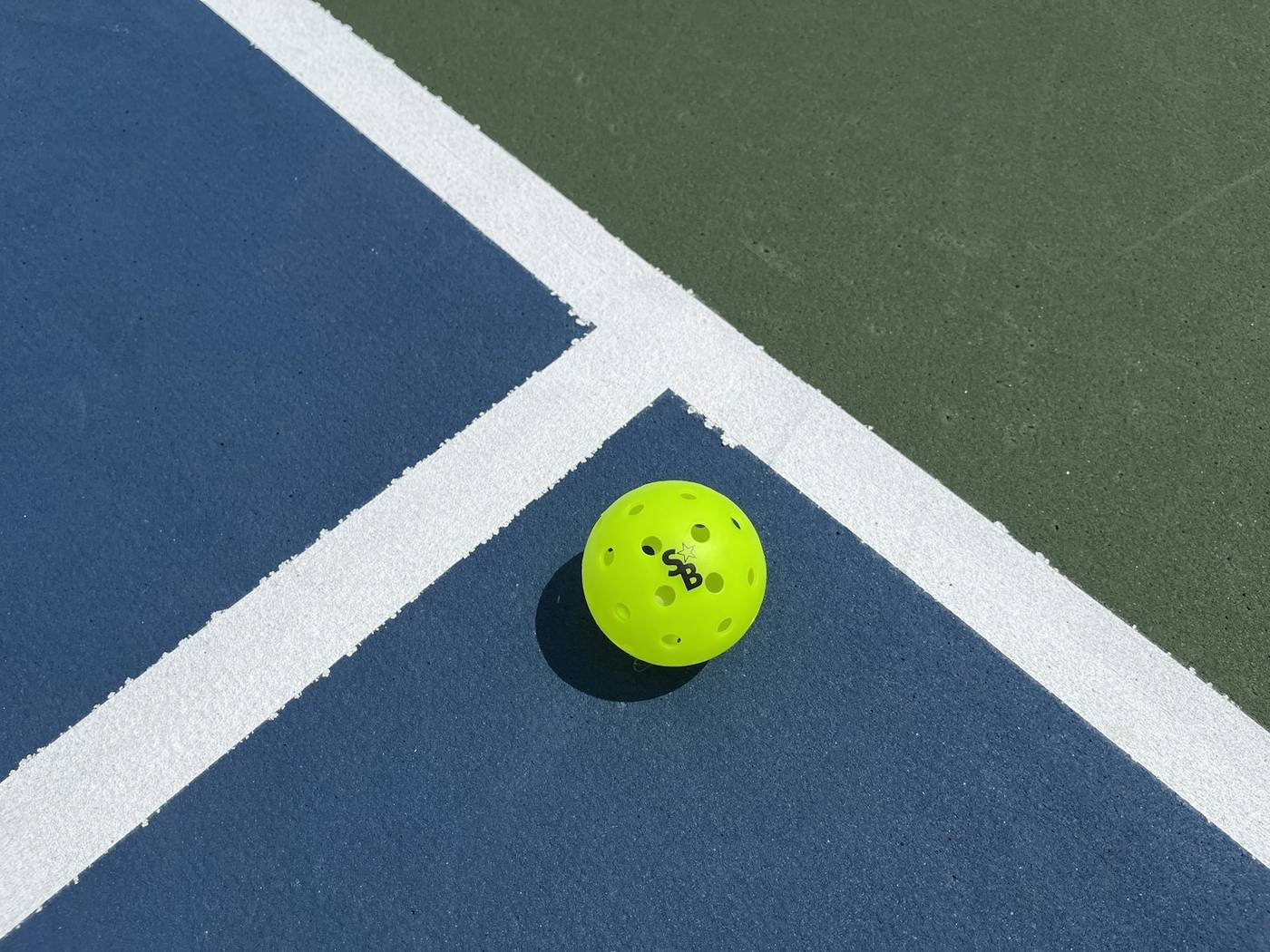
A pickleball court is mostly a concrete project with a sport finish on top. The slab and the site work under it are the largest part of the bill, and they are also where the price swings the most from one yard to the next. The ranges below come from published 2026 cost guides by a Central Texas court surfacer and a national cost-research site. They are planning numbers, not quotes. For a firm price on your property, we do a free on-site estimate.
Total cost by project type
| Project | Approx. cost | Source |
|---|---|---|
| New single court from bare ground (Central Texas) | $20,000–$45,000 | Pro Court Surfaces, 2026 |
| Standard 30 x 60 court, concrete + acrylic (national) | $20,000–$50,000 | HomeGuide, 2026; average about $34,000 |
| Resurface an existing slab as a court | $6,000–$14,000 | Pro Court Surfaces, 2026 |
| Recoat an existing pickleball court (prep, coats, lines) | $3,500–$7,000 | Pro Court Surfaces, 2026 |
| Convert a tennis court to pickleball | $8,000–$18,000 | Pro Court Surfaces, 2026 |
Other Texas builders publish similar numbers. Build My Courts lists custom Texas pickleball courts starting around $28,000, and Lone Star Court Builders cites about $22,000–$45,000 for most Texas backyard courts.
Line-by-line cost breakdown
Here is where the money goes on a new single court. The Central Texas column assumes a 30 x 60 to 34 x 64 foot pad.
| Line item | Central Texas (Pro Court Surfaces) | National (HomeGuide) |
|---|---|---|
| Site prep and grading | $2,000–$8,000 | $2,000–$10,000+ |
| Concrete slab (4 in. minimum) | $12,000–$25,000 | $9,000–$18,000 |
| Acrylic surfacing | $6,000–$12,000 | $1,500–$3,500 |
| Line striping | $300–$800 | $200–$600 |
| Net post system and net | $200–$600 | $300–$1,500 |
| Fencing (optional) | $1,500–$4,000 per side | $2,000–$6,000 total |
| LED court lighting (optional) | Not listed | $5,000–$10,000+ |
The biggest gap is surfacing. The national figure reflects a basic colored acrylic coating, which HomeGuide prices at about $0.50–$1.00 per square foot. The Central Texas figure is for a multi-coat professional sport system with filler coats, color coats, and texture, the kind used on tournament courts. Ask any builder which one you are being quoted.
What drives the price in Bell County
- Soil and grading. Much of Bell County sits on expansive clay that swells when wet and shrinks when dry. A court needs a stable, compacted base and a single even slope of about 1%, so a sloped or soft lot costs more to prepare than a flat one.
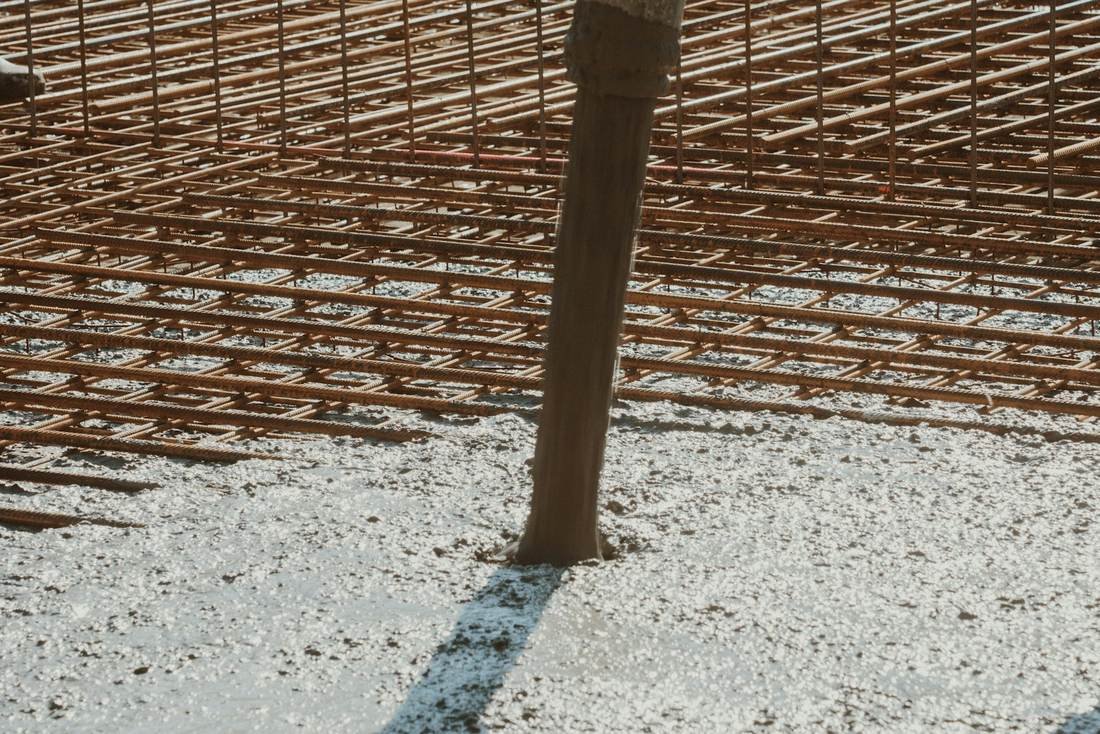
- Slab type. A rebar slab is the budget option. A post-tensioned slab costs roughly twice as much but holds together far better, which is why many builders prefer it under acrylic and on multi-court slabs. Our slab specs guide compares the options.
- Court size. A 34 x 64 foot pad is 2,176 sq ft versus 1,800 sq ft for 30 x 60, about 21% more concrete, base, and coating.
- Surface system. Standard hard acrylic costs less than cushioned acrylic, which adds rubberized layers for comfort on the joints.
- Access. Concrete trucks and pump lines need a path. Tight side yards, fences, or septic fields in the way add labor or pump time.
- Add-ons. Fencing, windscreens, LED lights, shade, benches, and walkways are optional, and they add up fast.
Ways to keep your court cost down
- Start from a slab you already have. A sound slab that is at least 4 inches thick and close to level can sometimes be repaired and resurfaced instead of replaced. See converting a tennis court, sport court, or driveway.
- Choose 30 x 60 instead of 34 x 64 if your yard is tight. It is still a comfortable recreational court.
- Phase the extras. Pour the slab with sleeves and conduit in place, then add fencing or lights next season without tearing anything up.
- Keep the color scheme simple. Two colors (court and surround) take fewer passes than multi-zone designs.
- Get an itemized quote. Compare concrete thickness, reinforcement, drainage, surface system, and warranty line by line, not just the bottom number.
How long a backyard court takes
Plan on about five weeks from start to finish. Site prep and the pour take one to two weeks, and the slab then needs to cure before coatings go on. Pro Court Surfaces cites two to three weeks, and some surfacing system specs call for a full 28 days. Surfacing and lines take three to five days. Acrylic needs dry weather above about 50°F, so in Central Texas spring (March–May) and fall (September–November) are the easiest windows for the surfacing step.
Permits and HOA approval
Large slabs, fencing, and court lighting can all fall under city permit rules, and most HOAs want to approve the location, setbacks, fencing, and lights before work starts. Check with your city or HOA first. We provide a layout drawing with the court location and dimensions that you can submit. Local permit details: Temple and Killeen & Harker Heights.
Get a Free Pickleball Court Quote
Tell us about your yard or facility and we will reply within one business day with a plan and a price range.
Frequently asked questions
How much does a backyard pickleball court cost in Texas?
Most published 2026 figures for a professionally built single court from bare ground fall between about $20,000 and $45,000 in Central Texas, and $20,000 to $50,000 nationally, with a national average near $34,000. Sites that need heavy grading, a post-tensioned slab, cushioned surfacing, fencing, and lights can run higher.
What is the cheapest way to get a pickleball court?
Reuse a slab you already have. Resurfacing a sound existing court slab is typically about $6,000 to $14,000, and converting an old tennis court is about $8,000 to $18,000, compared with $20,000 or more for a new build. A 30 x 60 foot pad, a standard (non-cushioned) acrylic surface, and adding fencing or lights later also keep the first check smaller.
Is a post-tensioned slab worth the extra cost?
It depends on your soil and surface. Post-tension slabs cost roughly twice as much as rebar slabs but resist cracking much better, which matters under an acrylic surface and on multi-court slabs. On stable, well-drained ground, a well-built rebar slab can be a reasonable budget choice if you accept that hairline cracks may need repair over time.
How much does it cost to add lights or fencing?
National figures put court fencing at about $2,000 to $6,000 to enclose one court and LED court lighting at about $5,000 to $10,000 or more. Planning conduit and footings during the slab pour makes adding them later cheaper.
Does Bell County Concrete Pros give free estimates?
Yes. We visit the site, measure, check grade and drainage, and give you a written, itemized quote for the slab, surfacing, and any add-ons. Call or text (254) 500-3913.
Get a real number for your yard
See how we build courts on our pickleball court construction page, or call for a free on-site estimate anywhere in Bell County.
- Pro Court Surfaces, “Backyard Pickleball Court: Cost, Size & Build Guide (2026)” and “Court Resurfacing in Austin TX”
- HomeGuide, “How Much Does It Cost to Build a Pickleball Court? (2026)”
- Build My Courts, Texas pickleball quote page
- Lone Star Court Builders, “How Much Does a Backyard Pickleball Court Cost in Texas?”
- Pinnacle Sports Group, rebar vs. post-tension court slabs